Don’t let the old person in …..
Clint Eastwood is 96 and seems to continue in good from. Apparently, some years ago, he was playing golf with the country music star, Toby Keith who commented on his age and asked how he kept going so well. The story goes that he replied, I don’t let the old man in. Keith was so inspired he wrote a song about it—you can judge its quality for yourself by following the link.
Of course, Eastwood’s comment sparked my interest, and I’ve been giving it some thought. You’ll notice that I’ve widened the quote to open our discussion.
My first impression was that this was a fear-based response based on our worry about ageing and all that might entail but my partner pointed out that Clintwood might simply be referring the stereotype of an old, frail person that he was not prepared to succumb to. In fact, Clintwood might be advocating flourishing as you age! However, when I listened to the song, it seemed clear that indeed, the ‘old person’ was one to be rejected and avoided.
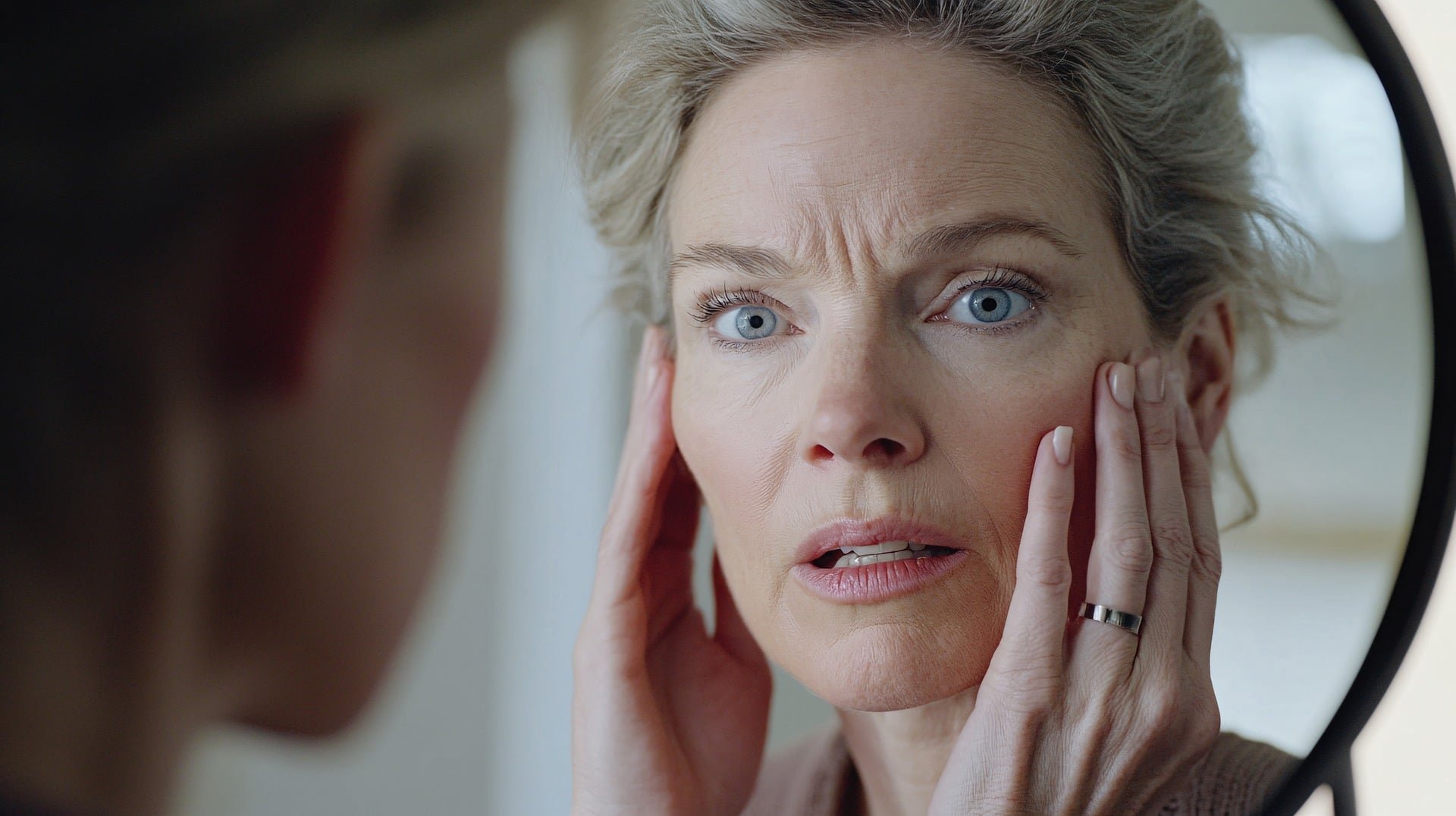
So, the first photo in this blog represents the sense of panic and alarm that many people report feeling as they recognize tangible signs of ageing. There is indeed so much to process about our ageing, and society’s prejudice and avoidance only intensifies that. We may feel that if we avoid the ‘old person’ then they won’t catch up with us—that we can somehow hold them off.
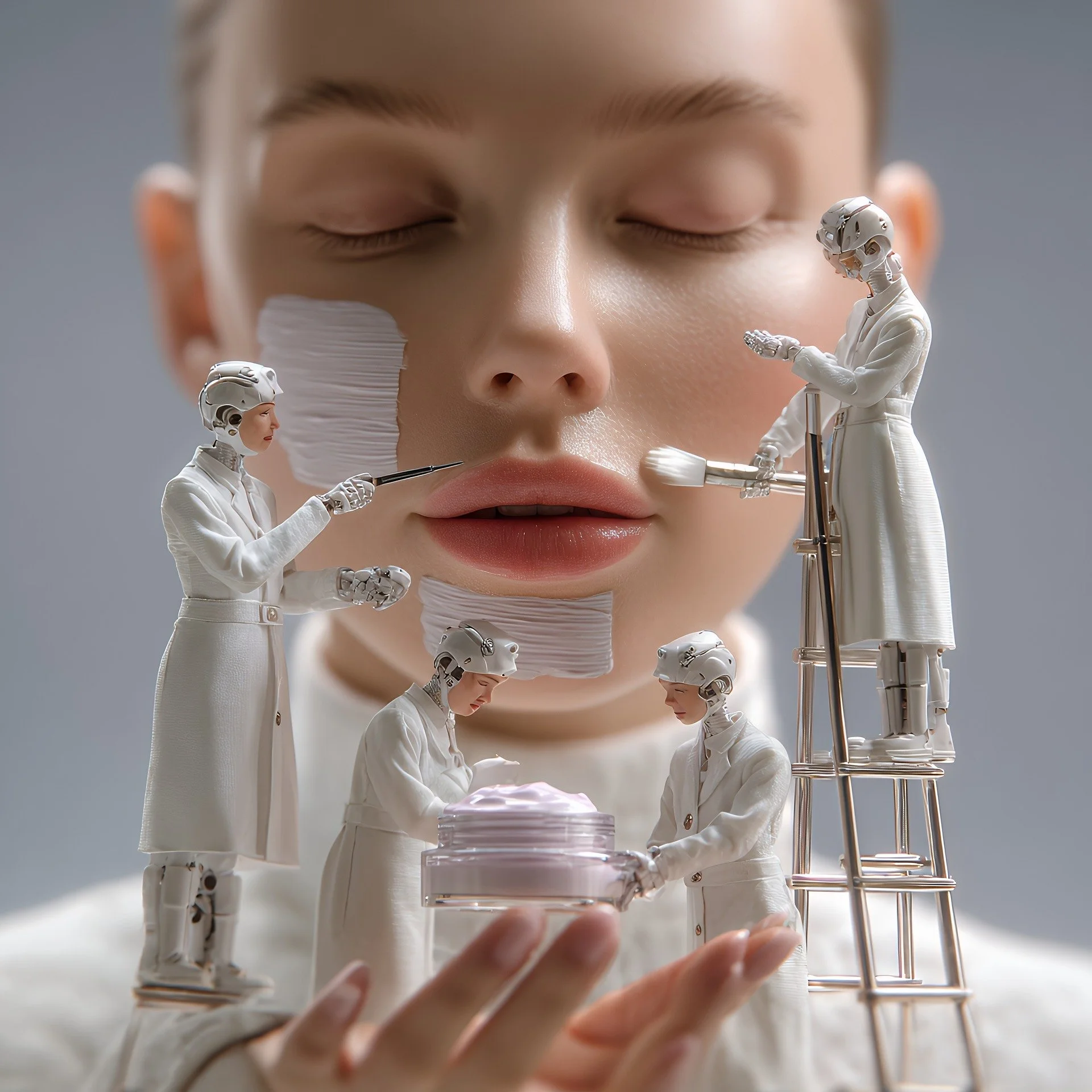
One way we can do that is to try and alter our ageing, to plan out a campaign to stay as youthful looking as possible. So then comes the second photo, showing how modern plastic surgery can provide us with a whole host of techniques and procedures to smooth away our visible signs of ageing and construct a more youthful version of ourselves. I don’t often resort to AI photography, but I find this articular set up of erecting a kind of building site to work on our faces is a good representation of the extreme lengths that we can choose to go to. It’s as if the ‘old person’ might have slipped in through the back door but they are being well and truly evicted from every cell of our bodies.
Except that, of course, this is not possible. The very procedures themselves are subject to the ageing process and the increasing necessity for touch ups becomes more urgent. We can also ask ourselves what the deeper cost is to our sense of self if we erase evidence of our years of learning and experience. What does smoothing away our signs of growth and struggle do to our self-esteem? Is appearance so much more important than how we feel ourselves to be?
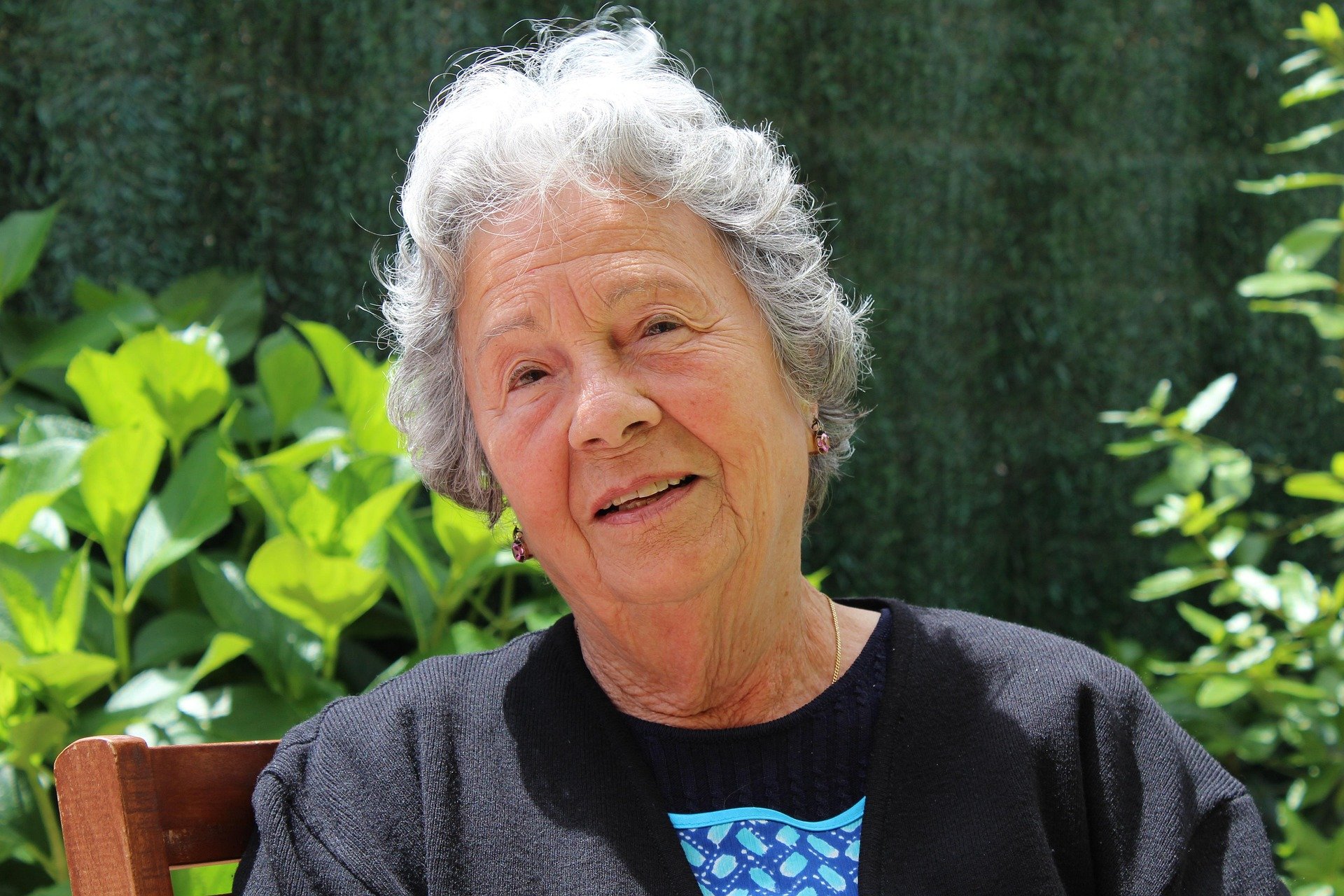
My favourite photo is of course, the third one—the one of the older woman, seemingly at home in her own skin and smiling. I chose this photo because for me she represents another interpretation of Eastwood’s quote that fits more with my own attitude to my ageing. It goes something like this, Welcome the old person in—embrace, inspire and value her/him but don’t let society’s conceptual view of an old person undermine your own sense of gratitude and appreciation of your journey.
We need to learn to accept that the ‘old person’ is our own self—it is not not some alien force that has usurped our being at this later stage of our lives. We have been ageing since the day we were born. When we’re young it seems we cannot wait to ‘grow up’ and be taken seriously but as the years pass, we reach a point where again we face the fear of not being valued as we are.
How are we to change this for future generations? How can we help our sons and daughters to face their own ageing creatively when we are fearful of our own? When we can relax into the natural order of things and appreciate the good fortune we have to be able to age, when we can learn to flourish as older people then we’ve begun to change society’s obsession with youth and claim our old person with pride.